


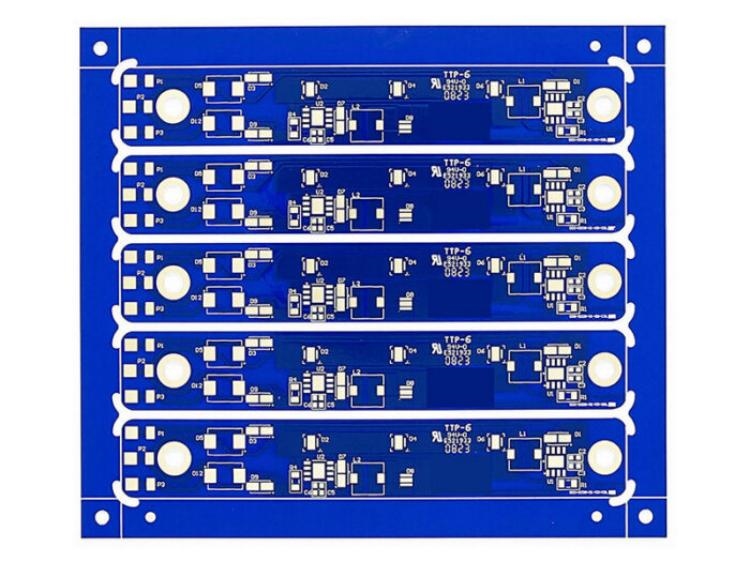
Aerospace electronics operate in environments where component reliability is critical. Unlike standard commercial electronics, aviation, space, and defense systems may face extreme vibration, rapid temperature changes, radiation, and extended operating cycles. Therefore, every material and manufacturing step needs careful control. In aerospace PCB manufacturing, material traceability provides an important foundation for quality management. By recording material information, production processes, testing results, and lot details, manufacturers can create a clear history for each circuit board. As a result, engineers and customers can better understand how a board was produced and verified before it enters a mission-critical system.
Full Material Traceability from Production to Launch
Material traceability means more than recording the basic material name. It can include material batches, supplier information, production records, process certifications, and lot-specific testing data. Consequently, each PCB can be connected to documented production information throughout its manufacturing journey. If a material or process requires further investigation, this documentation can also make it easier to identify the relevant production lot. Furthermore, detailed records support consistent quality management when aerospace PCBs move from prototype development to qualified production. This level of documentation is especially valuable for applications where long-term reliability and accountability are essential.
High-Performance Materials for Extreme Conditions
Material selection directly affects how an aerospace PCB performs under demanding conditions. Therefore, specialized substrates are often selected according to temperature range, dielectric requirements, mechanical stress, and application environment. Common high-performance material options include polyimide, ceramic-filled PTFE, and high-Tg FR-4. Depending on the material and construction, these substrates can provide thermal stability across demanding temperature ranges from approximately -65°C to +260°C.
Moreover, specialized dielectric characteristics can support RF and high-speed digital applications. This makes material selection an important consideration for satellite communications, aerospace radar, flight control systems, and other advanced electronic platforms.
Thermal Stability for Aviation and Space Applications
Temperature changes can place significant stress on electronic components. Aircraft may experience substantial temperature differences during operation, while spacecraft can encounter even more challenging thermal environments.
For this reason, aerospace PCBs require materials and construction methods capable of maintaining electrical performance across wide temperature ranges. High-performance substrates provide a stable foundation, while appropriate copper cladding and protective coatings add further environmental resistance. As a result, the finished board can be better prepared for applications where temperature stability is essential.
Key Factors in Mission-Critical PCB Production
Several factors should be considered when evaluating aerospace PCB quality:
- Material traceability: Maintains records of materials, batches, and production information.
- Process documentation: Provides visibility into key manufacturing stages.
- Lot-specific testing: Connects test results with individual production lots.
- Material selection: Uses substrates suited to thermal, electrical, and mechanical requirements.
- Environmental protection: Supports resistance to vibration, temperature changes, and other demanding conditions.
- Qualification testing: Helps verify PCB performance before mission deployment.
- Specialized options: Hermetic sealing and radiation hardening can be considered for suitable space applications.
Together, these controls create a more comprehensive approach to aerospace PCB reliability.
Traceability and Qualification Testing
Traceability becomes especially valuable when combined with rigorous qualification testing. Before a board is approved for mission use, testing can evaluate whether the PCB meets defined electrical, mechanical, and environmental requirements.
Furthermore, linking test data to specific production lots creates a clearer quality record. This allows manufacturers and customers to review documented results rather than relying only on general product specifications. In aerospace PCB manufacturing, such documentation helps establish a controlled path from raw material selection through final qualification. Therefore, traceability and testing should be viewed as complementary quality measures.
Protection Against Harsh Operating Environments
Aerospace PCBs may encounter vibration, mechanical stress, moisture, temperature fluctuations, and radiation depending on the application. Consequently, the PCB structure must be designed with the intended environment in mind. Military-grade copper cladding can provide a robust conductive foundation, while specialized conformal coatings can add protection to the finished circuit. For certain space applications, additional options such as hermetic sealing and radiation hardening may also be available. However, the appropriate protection depends on the mission environment and system requirements. Material and construction choices should therefore be evaluated during the engineering stage.
Material and Performance Comparison
| Material | Key Characteristic | Potential Aerospace Application |
|---|---|---|
| Polyimide | High thermal stability and flexibility | Aviation and space electronics |
| Ceramic-filled PTFE | Controlled dielectric performance | RF and microwave systems |
| High-Tg FR-4 | Improved thermal performance | Aerospace control and digital systems |
| Specialized Copper Cladding | Mechanical and electrical robustness | High-reliability circuit structures |
| Conformal Coating | Additional environmental protection | Harsh operating environments |
The final material combination should be selected according to the specific electrical, thermal, mechanical, and environmental requirements of the application.
Supporting Aviation, Space, and Defense Systems
Aerospace PCBs serve many mission-critical systems. In aviation, they can support flight control, navigation, communication, and monitoring equipment. In space applications, they may be integrated into satellite communication, orbital electronics, and other spacecraft systems. Similarly, defense electronics often require high reliability under demanding operating conditions. Therefore, PCB manufacturing must address both electrical performance and environmental durability. With controlled materials and documented processes, specialized aerospace boards can be developed for applications where commercial-grade PCB construction may not provide sufficient performance.
From Prototype to Qualified Production
Aerospace projects often require extensive development before entering operational service. Prototype boards must be evaluated, tested, and refined before production requirements are finalized. Consequently, maintaining traceability throughout development can provide valuable information during each stage. Material records and process documentation can help engineers understand changes between production lots and support more consistent manufacturing. As production moves toward larger quantities, the same documentation approach can help maintain repeatability. This creates a controlled production path from early prototypes to mission-ready boards.
Why Choose Baiyoudi?
Baiyoudi focuses on high-reliability PCB solutions for demanding applications. Its aerospace PCB production approach emphasizes material traceability, process documentation, qualification testing, and lot-specific testing data. Furthermore, the company can support specialized material selection for aviation, space, and defense applications. Options such as hermetic sealing and radiation hardening can also be considered when project requirements call for additional protection. By combining material control with detailed manufacturing records, Baiyoudi helps customers build a clearer quality chain from material sourcing to final PCB qualification.
Building Reliability Through Complete Process Control
Material traceability is not simply an administrative requirement. Instead, it creates a documented connection between the materials used, the manufacturing processes applied, and the testing performed on the finished PCB. In aerospace PCB manufacturing, this connection becomes particularly important because mission-critical electronics must operate reliably under challenging conditions. High-performance substrates, controlled fabrication, environmental protection, and qualification testing all contribute to the final result.
Ultimately, a complete traceability system provides greater manufacturing visibility while supporting consistent quality and long-term reliability. From aviation electronics to satellite systems and defense platforms, careful material management and process control provide a strong foundation for dependable aerospace PCB performance.