


Medical electronics require stable electrical performance, reliable materials, and consistent manufacturing quality. During sterilization, circuit boards may face elevated temperatures, moisture, and repeated environmental stress. Therefore, material selection plays an important role in protecting electronic components and maintaining product reliability. A compliant medical printed circuit board uses suitable materials and controlled manufacturing processes to meet the specific requirements of medical applications. High-Tg FR4 can improve thermal stability, but the right material and sterilization method must match the device’s operating conditions.
Why High-Tg FR4 Matters for Medical PCB Manufacturing
High-Tg FR4 is designed to withstand higher temperatures before its glass transition temperature is reached. This characteristic helps the board maintain its structural stability under demanding thermal conditions. For medical devices exposed to heat during manufacturing, assembly, or certain sterilization processes, selecting a suitable high-Tg material can reduce the risk of excessive thermal deformation.
However, a higher glass transition temperature alone does not guarantee sterilization compatibility. Engineers must also consider moisture absorption, thermal expansion, copper adhesion, solder joints, and the number of sterilization cycles. Consequently, material selection should form part of a broader reliability assessment rather than serve as the only design criterion.

Key Factors That Support Sterilization Resistance
A reliable medical PCB depends on several interconnected design and manufacturing factors. Each factor contributes to the board’s ability to maintain electrical performance and structural integrity under its intended operating conditions.
- Thermal stability: High-Tg FR4 helps the substrate retain its properties at elevated temperatures. Engineers should compare the material’s thermal limits with the temperature and duration of the intended sterilization cycle.
- Moisture resistance: Steam sterilization can expose materials to heat and moisture simultaneously. Therefore, designers should assess moisture absorption, insulation performance, and the potential for delamination.
- Reliable solder joints: Repeated thermal cycling can stress solder connections and component interfaces. Appropriate assembly processes and thermal design help reduce these risks.
- Protective surface treatments: A conformal coating PCB design may provide additional protection against moisture, dust, and selected chemical contaminants. However, coating compatibility with sterilization conditions must be verified before use.
Together, these considerations help manufacturers develop medical circuit boards that better match their intended environments.
Material and Design Considerations
Different medical applications require different PCB structures and material properties. The following table summarizes important factors to evaluate during product development.
| Design Factor | Common Options or Considerations | Importance for Medical Applications |
|---|---|---|
| Base material | Standard FR4, high-Tg FR4 | Thermal stability and structural reliability |
| Circuit structure | Rigid PCB, rigid-flex PCB | Installation space and mechanical requirements |
| Surface protection | ENIG, ENEPIG, OSP, compatible conformal coatings | Surface protection and assembly requirements |
| Thermal exposure | Temperature, exposure time, cycle frequency | Helps determine material suitability |
| Moisture exposure | Steam, humidity, condensation | Affects insulation and material reliability |
| Quality documentation | Material traceability, process validation, lot-specific test records | Supports quality control and manufacturing consistency |
| Additional design options | Embedded components, specialized coatings | Supports advanced medical electronics requirements |
A medical device PCB must meet both electrical and mechanical requirements throughout its intended service life. For example, compact diagnostic equipment may prioritize signal integrity and component density, while equipment exposed to repeated cleaning or sterilization may require additional environmental testing. Similarly, a medical electronics PCB used in monitoring or control systems needs stable performance under its specified operating conditions.
Manufacturing Quality and Compliance Documentation
Material selection is only one part of medical PCB quality management. Manufacturers must also maintain consistent production processes and reliable documentation to support traceability and product verification. A compliant medical printed circuit board should be developed with clearly defined material specifications, manufacturing controls, and inspection requirements that match the customer’s application.
Certified suppliers can support this process through several important practices:
- Material traceability: Record material specifications and relevant batch information to help identify the materials used in production.
- Process validation documentation: Maintain records that demonstrate whether defined manufacturing processes meet established requirements.
- Lot-specific testing: Document inspection and test results for individual production lots according to the agreed quality plan.
- Design verification: Review electrical performance, thermal behavior, and structural reliability against application-specific requirements.
These practices improve manufacturing transparency and help customers evaluate product consistency. Nevertheless, PCB manufacturing documentation does not automatically establish regulatory compliance for the finished medical device. Applicable standards, certification requirements, and validation responsibilities should be confirmed for each project.
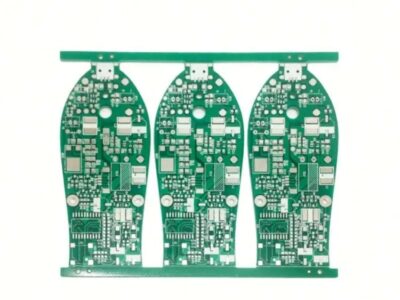
How Baiyoudi Supports Customized Medical PCB Projects
Baiyoudi supports medical PCB projects with material traceability, process validation documentation, and lot-specific testing records. For advanced applications, optional features include embedded components, rigid-flex constructions, and specialized biocompatible coatings. These options allow customers to discuss different circuit structures and material requirements according to their product designs.
Before production, engineering teams should identify the sterilization method, maximum exposure temperature, cycle duration, expected number of cycles, and relevant chemical or moisture exposure. This information helps determine whether high-Tg FR4 is suitable and whether additional protective measures are necessary. Furthermore, design reviews and application-specific testing can help identify potential weaknesses before the board enters full production.
Conclusion
High-Tg FR4 can provide valuable thermal stability for medical electronics, but sterilization resistance depends on the complete PCB design, material selection, assembly quality, and exposure conditions. A compliant medical printed circuit board should therefore undergo appropriate verification for its intended environment rather than rely on material specifications alone. By combining traceable materials, controlled manufacturing processes, and documented testing, manufacturers can support more reliable medical electronic assemblies. Baiyoudi provides customized PCB manufacturing support to help customers evaluate suitable materials, structures, and quality requirements for their medical electronics projects.