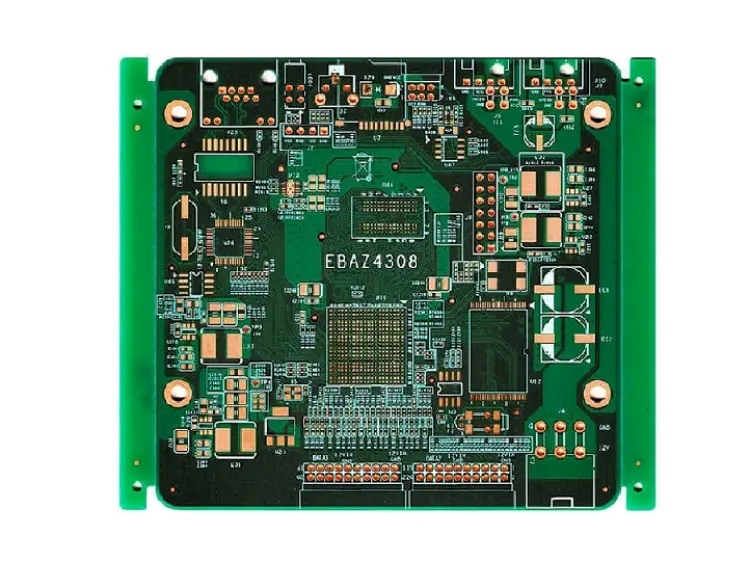


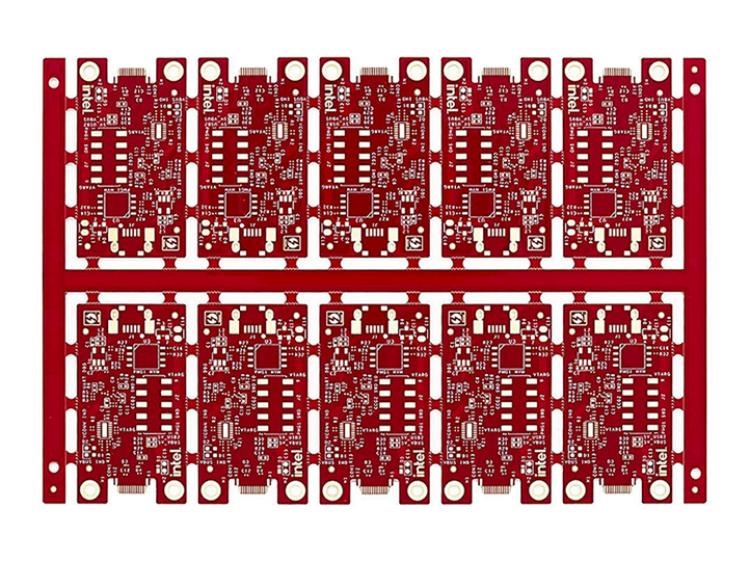
Aerospace electronic systems operate in environments where ordinary circuit boards may struggle to maintain consistent performance. Aircraft, satellites, and defense equipment face extreme temperature fluctuations, mechanical vibration, radiation exposure, and demanding operating lifecycles. Therefore, high-reliability aerospace PCB manufacturing requires carefully selected substrate materials and strict production controls. Polyimide and ceramic-filled PTFE are two important material options because they offer properties suited to specialized thermal and electrical requirements.
Unlike standard commercial electronics, aerospace applications often require circuit boards to maintain stable performance under changing environmental conditions. Material selection directly affects thermal expansion, dielectric behavior, mechanical strength, and long-term reliability. For example, polyimide provides strong thermal resistance and dimensional stability, while ceramic-filled PTFE supports demanding RF and high-frequency applications. Consequently, engineers should evaluate the operating environment before choosing a PCB material.
Polyimide: Thermal Stability for Demanding Aerospace Environments
Polyimide is widely used in high-performance electronic applications because of its excellent thermal resistance and mechanical properties. It can maintain structural stability under elevated temperatures and repeated thermal cycling. This makes it suitable for aerospace electronics exposed to significant temperature changes during flight or space operations. In addition, polyimide materials can support flexible and rigid-flex circuit designs where weight and installation space are important considerations.
Another advantage is its ability to maintain useful electrical insulation properties under demanding conditions. Aerospace systems often contain compact electronic assemblies with limited space for heat management. Therefore, substrate stability becomes particularly important when components generate heat during continuous operation. By selecting an appropriate polyimide grade and stack-up, designers can develop circuit boards suited to demanding aerospace applications.
Ceramic-Filled PTFE for High-Frequency Aerospace Electronics
Ceramic-filled PTFE materials combine the low-loss electrical characteristics of PTFE with ceramic fillers that help adjust dielectric and mechanical properties. This material combination is particularly useful in RF and microwave circuits, where signal loss and dielectric consistency can influence system performance. Satellite communications, radar equipment, and navigation systems often require stable high-frequency signal transmission. As a result, ceramic-filled PTFE is an important option for specialized aerospace PCB designs.
Compared with conventional FR4, ceramic-filled PTFE can offer lower dielectric loss and more controlled electrical characteristics for suitable high-frequency applications. However, material selection should consider dielectric constant, dissipation factor, thermal expansion, copper adhesion, and manufacturing compatibility. These properties influence signal integrity as well as fabrication consistency. Therefore, engineers should match the laminate specification to the frequency range and electrical requirements of the final application.
Comparing Key Materials for Aerospace PCB Applications
Different aerospace systems require different combinations of thermal, mechanical, and electrical performance. Polyimide, high-Tg FR4, and ceramic-filled PTFE each serve specific design requirements. The following comparison provides a practical overview of their typical roles.
| PCB Material | Main Advantages | Typical Applications |
|---|---|---|
| Polyimide | High thermal resistance and dimensional stability | Aerospace control systems and rigid-flex circuits |
| High-Tg FR4 | Cost-effective construction with improved thermal performance over standard FR4 | Aerospace control electronics and general multilayer boards |
| Ceramic-filled PTFE | Low dielectric loss and controlled electrical characteristics | RF, microwave, radar, and satellite communication circuits |
Material selection should always follow the actual operating requirements. For example, high-frequency communication circuits may prioritize dielectric performance, while flight control electronics may require a balance of thermal stability and mechanical reliability. Furthermore, multilayer designs must account for differences in material expansion and compatibility between laminate layers.
Technical Capabilities for Specialized Aerospace PCB Production
Aerospace PCB production requires flexibility in board dimensions, layer structures, copper weights, and feature sizes. These factors allow engineers to develop boards for different equipment layouts and electrical loads. Baiyoudi supports multiple material options and manufacturing configurations for specialized printed circuit board projects.
| Parameter | Available Specification |
|---|---|
| Material types | Polyimide, High-Tg FR4, Ceramic-filled PTFE |
| Board thickness | 0.010″–0.250″ (±5% tolerance) |
| Layer count | 1–24 layers |
| Maximum panel size | Up to 18″ × 24″ |
| Copper weight | 0.5 oz–6 oz |
| Standard minimum line/space | 5 mil/5 mil |
| HDI minimum line/space | 3 mil/3 mil |
These capabilities support different board architectures, from compact RF circuits to complex multilayer assemblies. Heavy copper options can also accommodate designs with higher current requirements. Meanwhile, HDI fabrication supports smaller features and denser component layouts. As a result, manufacturers can adapt board construction to specialized aerospace equipment rather than relying on one standard configuration.
Manufacturing Controls That Improve Aerospace PCB Reliability
Material quality alone cannot guarantee long-term PCB reliability. Manufacturing consistency, process documentation, and inspection procedures also play important roles. A high-reliability aerospace PCB manufacturing process should include traceable materials, controlled fabrication parameters, and verification at critical production stages. These measures help reduce defects and provide greater visibility throughout the manufacturing lifecycle.
Several production controls are particularly important:
- Material traceability: Maintain records of laminate types, copper materials, and production batches.
- Process certification: Document key manufacturing procedures and maintain consistent production controls.
- Dimensional inspection: Verify board thickness, panel dimensions, and feature tolerances.
- Electrical testing: Check continuity, insulation performance, and other specified electrical requirements.
- Lot-specific testing data: Keep inspection and test records linked to individual production lots.
- Specialized protection: Evaluate optional conformal coatings or hermetic sealing when required by the application.
For space-related projects, additional requirements may include radiation hardening and specialized environmental qualification. However, these features should be defined according to the mission profile and system-level specifications.
Applications Across Aviation, Space, and Defense
Aerospace PCBs serve a wide range of electronic systems. In aviation, they support flight control, navigation, communication, and monitoring equipment. In space applications, they are used in satellite communication modules, onboard control systems, and other electronic assemblies that must operate over extended periods. Defense systems also depend on reliable circuit boards for radar, communication, and mission-critical equipment.
Each application creates different material and manufacturing challenges. High-frequency communication circuits may require ceramic-filled PTFE, while control electronics may benefit from polyimide or high-Tg FR4. In addition, special-size PCBs can accommodate unusual equipment layouts and installation constraints. Selecting the right combination of materials and fabrication processes helps engineers address these requirements more effectively.
Choosing the Right Aerospace PCB Manufacturing Partner
Selecting a high-frequency PCB supplier for aerospace projects requires evaluating technical capabilities, material experience, documentation, and inspection procedures. Buyers should confirm whether the manufacturer can support the required laminate types, layer counts, copper weights, and dimensional tolerances. They should also review traceability practices and qualification testing requirements before approving production.
Baiyoudi provides specialized PCB manufacturing options using polyimide, high-Tg FR4, and ceramic-filled PTFE materials. By combining material selection with multilayer fabrication and process controls, manufacturers can support circuit board designs for demanding aviation, space, and defense environments. Ultimately, reliable aerospace electronics depend on the right balance of substrate performance, precise manufacturing, and thorough quality verification.