



Automation drives modern industry, enabling factories to operate more efficiently and consistently. At the core of these automated systems, engineers rely on high-quality industrial control pcb production to ensure reliable performance and precise control. Superior PCB production allows machines to function smoothly, reduces the risk of costly errors, and supports long-term operational stability.
Ensuring System Reliability
Firstly, manufacturers who focus on quality production create systems that run smoothly with minimal errors. Automated machinery operates continuously and requires precise electronic responses. Defective circuitry can cause malfunctions, unexpected downtime, or even safety issues. By implementing rigorous production standards, engineers can prevent failures before they occur. Furthermore, high-quality PCBs maintain performance under harsh conditions, including high temperatures, vibration, and electrical fluctuations. This reliability ensures that automation systems meet production targets consistently.
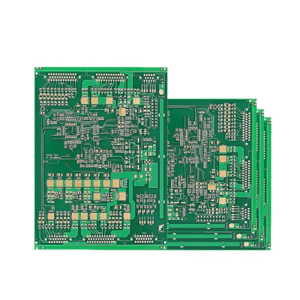
Enhancing Efficiency and Performance
Moreover, engineers improve efficiency by designing and assembling PCBs to high standards. Properly manufactured modules optimize signal transmission and reduce operational delays. Consequently, automated equipment achieves faster processing speeds, higher accuracy, and more precise control over complex processes. For example, in automotive manufacturing, precise PCBs allow robotic arms to assemble components quickly without errors. Similarly, in industrial packaging lines, high-quality PCBs reduce downtime and improve throughput. Investing in superior PCB production directly contributes to overall productivity gains.
Minimizing Maintenance and Supporting Innovation
Another advantage of high-quality industrial control pcb production is that it lowers maintenance demands. Durable PCBs resist overheating, component wear, and signal degradation. As a result, maintenance teams can focus on process improvements rather than emergency repairs. Additionally, engineers can implement innovative solutions, such as modular or scalable PCBs, which integrate easily with new automation technologies. By supporting flexibility and innovation, high-quality PCB production allows factories to adapt to evolving production needs without significant redesigns.
Conclusion
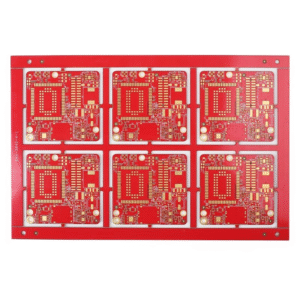
In conclusion, industries benefit from superior industrial control pcb production because it ensures systems operate reliably, efficiently, and safely. High-quality production reduces risks, minimizes downtime, and empowers engineers to implement advanced automation solutions. By prioritizing meticulous PCB design, manufacturing, and testing, companies strengthen overall performance and maintain the flexibility needed for future growth. Investing in high-quality PCBs ultimately enhances productivity, safety, and the long-term success of automated operations.