


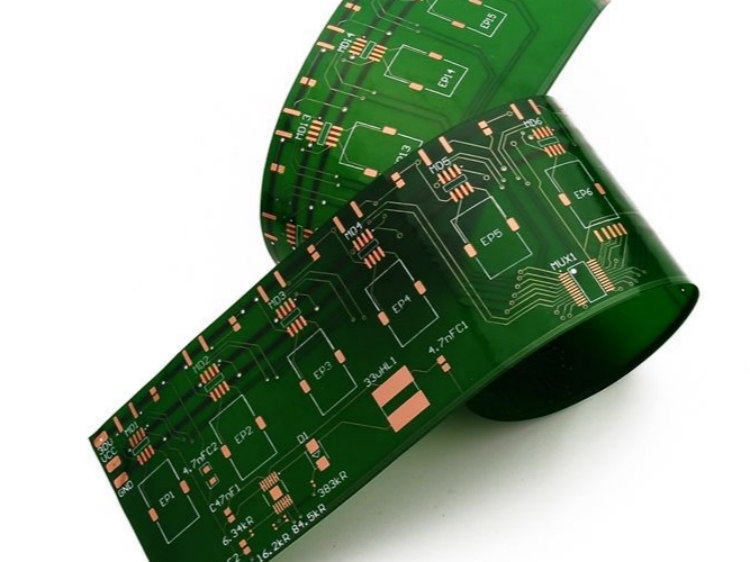
As electronic products continue to become smaller, thinner, and more intelligent, manufacturers face increasing challenges in reducing product weight while maintaining reliable performance. Traditional rigid circuit boards often require more space and fixed structures, which can limit design possibilities for compact devices. Therefore, flexible circuit technology has become an important direction for development in modern electronics. Flexible PCB in electronics provides greater design freedom, allowing manufacturers to create lightweight products with efficient connections, compact structures, and reliable electrical performance. Baiyoudi focuses on advanced PCB manufacturing technologies that support innovative electronic applications. With high-quality materials and optimized production, flexible circuit solutions help businesses build next-generation devices across consumer electronics, automotive, medical, and industrial fields.
Reducing Product Weight Through Flexible Circuit Design
Firstly, lightweight design has become a key requirement for many modern electronic products. Consumers and industries increasingly demand devices that are easier to carry, thinner in structure, and more comfortable to use. Unlike traditional rigid circuit boards, flexible PCBs use lightweight materials such as polyimide substrates, which help reduce overall product weight. At the same time, their thin and flexible structure allows engineers to design smaller internal layouts without sacrificing connection performance. Moreover, flexible circuit designs eliminate the need for additional connectors and complex wiring structures in many applications. As a result, manufacturers can reduce component volume while improving internal space utilization.
Supporting Compact And Space-Saving Electronic Applications
Furthermore, modern devices often require efficient use of limited internal space. Smartphones, wearable devices, medical equipment, and IoT products all depend on compact structures to achieve better portability and functionality. Flexible PCB in electronics allows circuits to bend, fold, and fit into irregular spaces that traditional boards cannot easily reach. Therefore, engineers can create more compact product designs while maintaining stable electrical connections. Additionally, this flexibility supports innovative product structures, including foldable devices, ultra-thin electronics, and wearable technologies. Manufacturers can achieve greater design flexibility and develop products that meet changing market expectations.
Improving Reliability In Dynamic Operating Environments
In addition, lightweight products must also maintain strong reliability during daily use. Devices that experience movement, vibration, or repeated bending require circuit solutions that can withstand these conditions. Flexible PCBs are manufactured with durable materials that support repeated flexing cycles while maintaining electrical performance. Consequently, they provide reliable connections in applications where traditional rigid boards may experience structural limitations. For example, automotive electronic systems often operate under vibration conditions, while wearable devices require circuits that adapt to different shapes and movements. Flexible circuit technology helps these products maintain stable operation in challenging environments.
Expanding Applications Across Multiple Industries
Moreover, the advantages of flexible PCB technology have created opportunities across various industries. In consumer electronics, flexible circuits support thinner smartphones, wearable devices, and compact smart hardware. Medical equipment also benefits from lightweight and adaptable circuit designs. Flexible structures allow electronic components to fit more comfortably into diagnostic equipment and portable medical devices. Furthermore, automotive and aerospace industries use flexible circuit technology to reduce system weight while improving installation flexibility. For IoT applications, lightweight designs and reliable connections are especially valuable because many smart devices require compact structures and efficient performance.
Enhancing Future Electronic Product Development
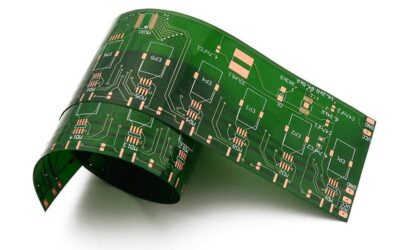
Additionally, as electronic products continue moving toward miniaturization and intelligent functions, manufacturers need circuit technologies that provide both flexibility and reliability. Flexible PCB in electronics supports future product development by combining lightweight construction, space efficiency, and strong electrical performance. This technology enables engineers to explore new product concepts while maintaining dependable operation. Baiyoudi continues to support customers with flexible PCB solutions designed for advanced electronic applications. Through optimized manufacturing capabilities, we help businesses develop innovative products with improved design possibilities.
Conclusion: Building Lighter And Smarter Electronic Devices
Finally, lightweight electronic design requires technologies that can balance size reduction, performance, and reliability. Flexible circuit solutions provide manufacturers with new opportunities to create smaller, thinner, and more adaptable products. With excellent flexibility, durable materials, and efficient space utilization, flexible PCBs in electronics play an important role in modern device development. From wearable electronics to automotive systems and smart IoT products, flexible PCB technology helps companies achieve more innovative and lightweight electronic designs.